

The trainee can use basic information technology as it applies to the workplace. He/she can confidently operate a personal computer to input and upgrade data and produce simple documents where required.
- Teacher: Arabian Institute
The trainee can use basic information technology as it applies to the workplace. He/she can confidently operate a personal computer to input and upgrade data and produce simple documents where required.
This unit describes the knowledge, understanding and skills required to support in performing intra-oral preventive procedures under the directions of the dentist.

This unit provides the trainee with knowledge fundamental to clinical chairside assisting with emphasis on infection control techniques, instruments etc. with aim to demonstrate proficiency prior to clinical chairside assisting.
This unit aims to introduce the trainee to the knowledge, understanding and skills required of a dental assistant in maintaining proper functioning of the dental office.
This unit aims to introduce the trainee to the knowledge, understanding and skills required of a dental assistant in maintaining proper functioning of the dental office.

This unit aims to introduce the trainee to the different knowledge students learn about the structure and function of the teeth, mouth, and jaws, as well as dental and oral physiology.

This unit aims to introduce the trainee to the different knowledge, skills and behavior required in an allied health care provider to monitor the working environment and make sure it follows the health and safety requirements.

This unit aims to introduce the trainee to the different roles and responsibilities, practice code of conduct and working with the needed set of skills, behavior and knowledge to work with a certain level of competence as required by a healthcare provider.

The main objective is for the trainee to apply all the theoretical knowledge learned in the classroom to an actual workplace setting (hospital/private clinic)

This unit introduces the knowledge, skills and understanding of the different equipment and processes in the central sterile processing department. It includes different sterilization techniques, identifying and monitoring sterilizers and different processes for inventory of stocks.

This include the knowledge, skills and understanding required to use, maintain the sterile filed as well as follow correct procedure to choose and operate the different equipment and processes.

This subject covers key infection prevention practices, including hand hygiene, PPE, Sterilization, and sterile field setup. It prepares students to apply aseptic technique that ensure safety and compliance in healthcare settings.

This unit introduces the fundamentals and origins of medical terms, analyzing, defining and creating medical terms. Identification of major body structures as well as understanding and using direction terms is included in this unit.

This unit includes the basic operations of allied health careers and the legal and ethical issues that they may encounter. It also gives an overview of the basic duties and responsibilities of a health assistant (Sterilizer).

The main objective is for the trainee to apply all the theoretical knowledge learned in the classroom to an actual workplace setting (hospital/private clinic)

This course covers basic health and safety practices for sterilization work, including hazard identification, PPE use, infection control, and emergency procedures. It prepares trainees to work safely and follow healthcare safety standards.

The trainee can use basic information technology as it applies to the workplace. He/She can confidently operate a personal computer to input and upgrade data and produce simple documents where required.

This course develops the English language skills required for healthcare education and professional communication. Students will learn essential medical vocabulary, basic grammar, reading comprehension, listening, speaking, and writing skills relevant to healthcare environments. Learning activities include lessons, study materials, practice exercises, quizzes, and assignments. Student progress will be monitored through course activities and assessments.

The course introduces the principles of professional behavior and medical ethics in healthcare. it covers patient confidentiality, workplace conduct, respect, accountability, and ethical decision-making to ensure safe and responsible practice.

Introduction to health & safety, workplace health, safety and welfare, fire safety, Oman health and safety law, first aid.

Introduction & operating system, windows 7, MS word, MS excel, internet.

The main objective is for the trainee to apply all the theoretical knowledge learned in the classroom to an actual workplace setting (hospital/private clinic).
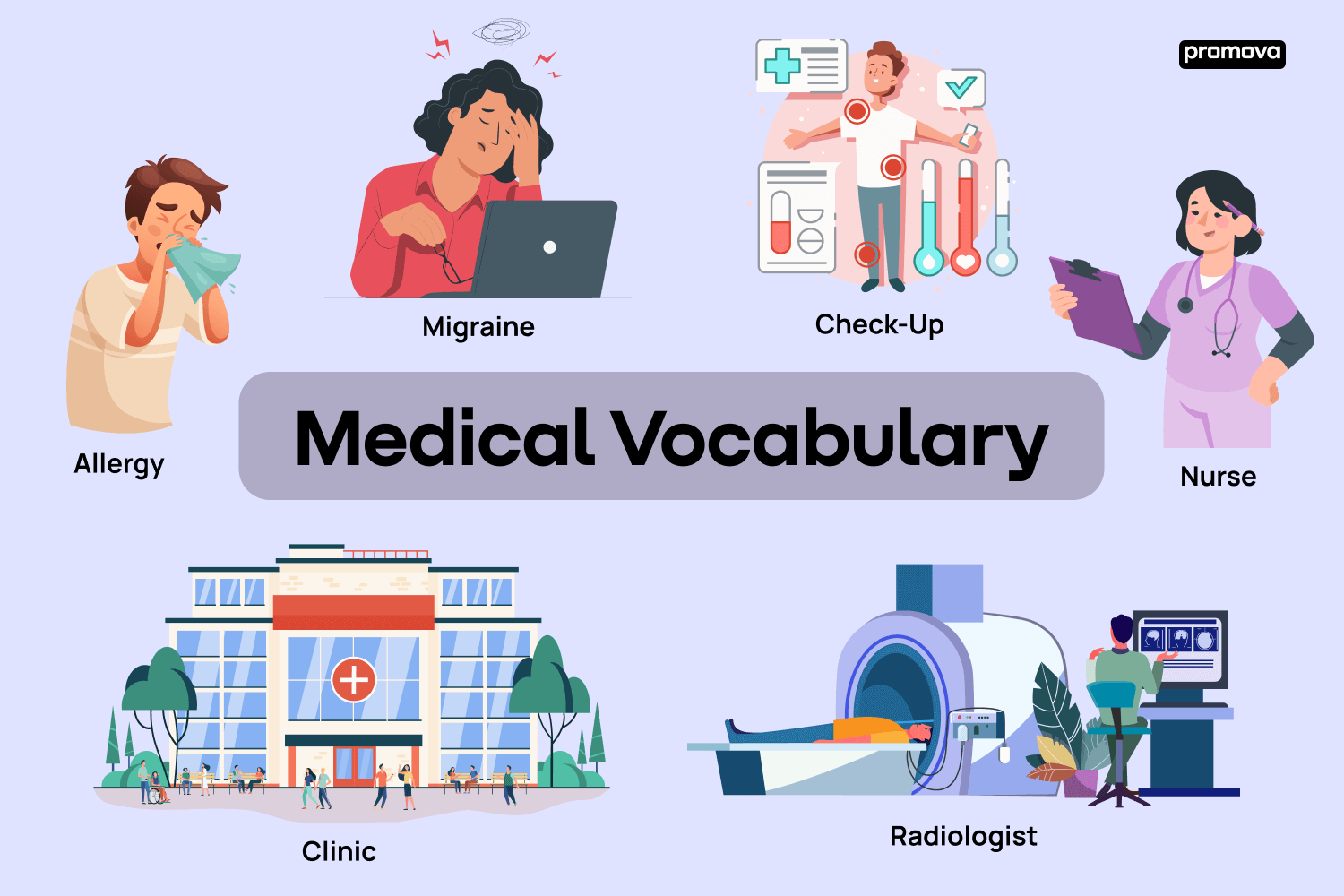
This subject builds the practical English that Medical Orderly trainees need in a healthcare setting. It covers essential medical vocabulary, clear communication with patients and the healthcare team, accurate reporting, and reading and completing basic records and forms. Trainees finish the subject able to communicate confidently and professionally while following patient safety and confidentiality standards.

This unit of competency covers the knowledge, skills and attitudes required to handle and dispose of waste in a safe manner within the healthcare environment.

This unit of competency covers the required knowledge, skills and attitudes required to assist nurses in providing biopsychosocial support and care of patients.

This unit of competency covers the knowledge, skills and attitudes required to safely and efficiently assist in transporting patients from one location to another.
This unit of competency caverns the knowledge, skills and attitudes required to assist incapacitated patients in basic physical movements.

This unit of competency covers the knowledge, skills and attitudes required to collect soiled linen from end-user locations, deliver soild linen to a designated holding area, distribute clean linen and maintain linen stock levels at end-user lcoation.

This unit of competency covers the knowledge, skills and attitude required in preparing and making beds and performing after-care activities.

This course cover the knowledge, skills and attitude required in the maintenance of high standard of patient services. This also covers the knowledge, skills and attitudes to effectively respond to difficult or challenging patient's behavior.

This course is concerned with infection control responsibilities of employees with supervisory accountability to implement and monitor infection control policy and procedures in a specific work unit or team within an organisation.

This course covers the required knowledge and skills required to provide an initial response where first aid is required.

This course covers the knowledge, skills and attitudes in the workplace. It also gives a brief introduction into medical ethics and laws.
Introduction to effective communication; difficulties in communication and methods of solving it; verbal and non-verbal communication; telephone communication; communication skills.

Introduction to health & safety, workplace health, safety and welfare, fire safety, Oman health and safety law, first aid

Skills in time management, definition of functional structure; human relations at work; implementing collective action; different types of personalities; different ways and meaning of body language; Oman labor law.

Introduction & operating system, windows 7, MS word, MS excel, internet.

English for business purposes, dealing with people, conversation in real life situations.
Reading, Writing, Speaking, Listening

Basic mathematical operations, fractions, decimals and percentages, introduction to accounting, sales transactions, purchase transactions.

Becoming a professional, managing and organizing yourself, you and the team - understanding the workplace team, effective customer service, communicating with technology, work meetings and events, filing, electronic records and mail.

Practical application of theories in the workplace setting.

Mission and functions of the ministry of health, organizational structure of the MOH, facts and statistics about the MOH, types of health care organizations in Oman, international health care organisations.

Types of medical reports, identifying the parts of a medical report, identifying medical words, understanding the content of a medical report.

Home row keys, top row keys, bottom row keys, fourth row and number keys, shift keys, skill drills, sentence repetition, paragraph repetition.
Special sense - eye and ear terminology, musculoskeletal terminology, endocrinology terminology, hematology terminology, lymphatic and immune system terminology nervous system terminology, oncology and radiology terminology, psychiatric terminology.

Unit 1 introduction to basic word structure and body terminology, practical terminology, surgical terminology, digestive terminology, urinary terminology, reproductive terminology, cardiovascular terminology, respiratory terminology, dermatology terminology
Skin/Integumentary system, eye, ear, nose and throat, blood and lymphatic, immunology, nervous system.

Introduction to cell structure and its functions, Musculoskeletal system, digestive system, cardiovascular system, respiratory system, urinary system, reproductive system.
This unit convers health and safety practice at the workplace such as safety signs, fire emergencies and other precautionary measures.

This unit covers the knowledge, skkills and attitude required to foster interpersonal relationships and appropriate work conduct and practices.

This unit will develop the knowledge and skills to use basic information teachnology as it applies to the workplace such as operate a computer, complete tasks and produce simple documents.

This unit covers the knowledge, skills and attitudes required to assist the school nurse in making sure that all cases are reported and properly documnentd.
This unit covers the knowledge, skills and attitudes required to provide assistance to the health service staff as well as teachers and school administrator on the implementation and promotion of health behavior.

This unit cover the knowledge, skills and attitudes to assist the teachers and other health services staff with preventive care as well as acute and emergency care.

This unit covers the knowledge, skills and attitudes required to assist in assessing the health of school children as well as the school staff.

This unit covers the knowledge, skills and attitudes required to enable the trainee to correctly and effectively communicate with the children, the parent, teacher, and the other school staff.

This unit covers the knowledge, skills and attitudes required to provide an intial response where first aid is required.

The main objective is for the trainee to apply all the theoretical knowledge learned in the classroom to an actual workplace setting (hospital/private clinic).